Introduction
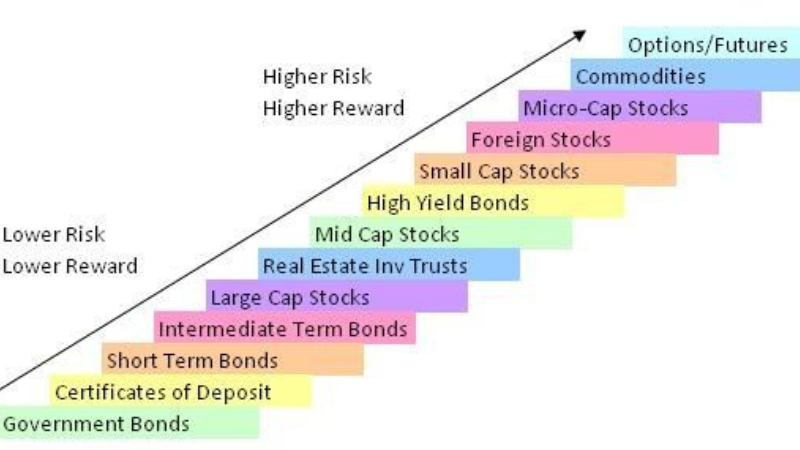
Mid-cap stocks have always been a favorite among investors who want a balance between growth and stability. They are neither as safe as large-cap stocks nor as risky as small-cap stocks. However, as we move through 2026, many investors are noticing that mid-cap stocks are under visible pressure.
Market corrections, global uncertainty, rising interest rates, and changing investor sentiment have all played a role. If you are a long-term investor, this situation can feel confusing: Should you stay invested, buy more, or exit mid-cap stocks altogether?
This article explains why mid-cap stocks are under pressure in 2026, the risks involved, and most importantly, the hidden opportunities for long-term investors.

What Are Mid-Cap Stocks?
Before understanding the pressure, it’s important to clearly define mid-cap stocks.
Mid-cap stocks are companies with a market capitalization between ₹5,000 crore and ₹20,000 crore (may vary slightly depending on index definitions). These companies are usually in a growth phase—they have proven business models but still have room to expand.
Key Characteristics of Mid-Cap Stocks
Higher growth potential than large caps
More stability than small caps
Sensitive to economic changes
Attractive to institutional investors during bullish markets
Why Are Mid-Cap Stocks Under Pressure in 2026?
Several factors have come together to create pressure on mid-cap stocks this year. Let’s break them down one by one.
1. Rising Interest Rates and Tight Liquidity
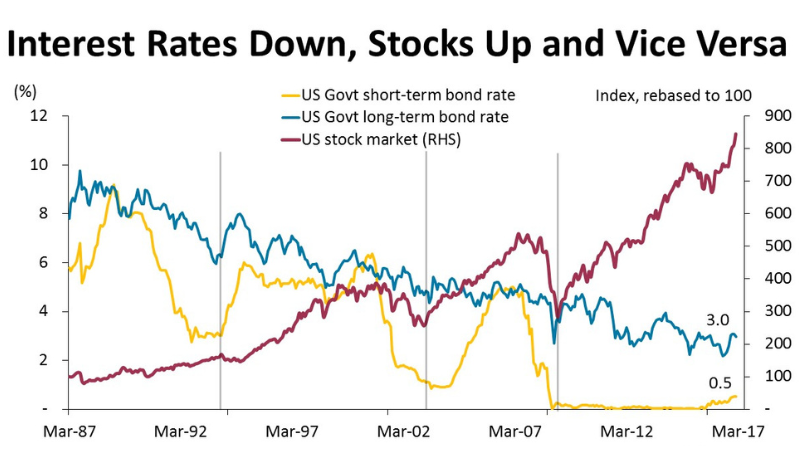
Interest rates play a major role in determining stock market performance. In 2026, central banks continue to maintain tighter monetary policies to control inflation.
How this affects mid-cap stocks:
Borrowing becomes expensive for expanding companies
Profit margins get squeezed
Growth projections are revised downward
Mid-cap companies rely more on loans and credit than large-cap companies. When interest rates rise, investors become cautious and shift money toward safer assets.
2. Profit Booking After Strong Rallies
Between 2023 and early 2025, many mid-cap stocks delivered extraordinary returns. Some stocks doubled or even tripled in value.
In 2026, investors are booking profits, especially:
Mutual funds
High-net-worth individuals
Short- to medium-term traders
This selling pressure causes prices to fall even if the company fundamentals remain strong.
3. Valuation Concerns in Mid-Cap Space
Many mid-cap stocks were trading at:
Very high P/E ratios
Aggressive future growth expectations
When earnings growth fails to match expectations, the market corrects sharply. Unlike large caps, mid-caps do not get valuation support easily during uncertainty.
4. Global Economic Uncertainty
Global factors also play a crucial role:
- Slowing global growth
- Geopolitical tensions
- Weak demand from export markets
Mid-cap companies, especially those dependent on exports or niche markets, feel the impact quickly.
Large-cap companies usually have diversified revenue streams, but mid-caps often depend on limited markets, making them more vulnerable.

5. Shift in Investor Preference Toward Large Caps
In uncertain times, investors prefer safety.
As a result, money flows:
From mid-cap stocks
Into large-cap stocks, gold, or fixed-income instruments
This rotation doesn’t mean mid-cap stocks are bad—it simply reflects risk-off sentiment.
Risks of Investing in Mid-Cap Stocks in 2026
While mid-cap stocks offer growth, investors must understand the risks clearly.
1. Higher Volatility
Mid-cap stocks react faster to:
News
Earnings results
Market sentiment
Short-term price swings can be emotionally challenging.
2.Liquidity Risk
Few products
Limited geographies
Key clients
Any disruption can significantly impact profits.
Opportunities for Long-Term Investors in 2026
Despite the pressure, this phase can be a golden opportunity for patient investors.
1. Quality Mid-Cap Stocks Available at Reasonable Prices
Market corrections separate:
Strong businesses
Weak, overhyped companies
This allows long-term investors to buy fundamentally strong mid-cap stocks at discounted valuations.
2. Strong Earnings Growth Potential
Many mid-cap companies are:
Expanding capacity
Entering new markets
Benefiting from government policies
Once economic stability returns, earnings growth can resume strongly.
3.Early Entry Before Institutional Buying
Institutional investors usually:
1. Exit during uncertainty
2. Re-enter after clarity
Retail investors who do deep research can enter early before the next rally begins.

How Long-Term Investors Should Approach Mid-Cap Stocks in 2026
1. Focus on Fundamentals
Strong balance sheets
Consistent revenue growth
Low debt levels
2. Avoid Over-Leveraged Companies
High debt and high interest rates is a dangerous combination.
3. Invest Gradually
Use SIP or staggered investing instead of lump-sum investments.
4. Diversify Your Portfolio
Avoid putting all your money into mid-cap stocks alone. Combine:
Large caps
Mid caps
Debt instruments
Who Should Invest in Mid-Cap Stocks Now?
Mid-cap stocks in 2026 are best suited for:
Investors with 5–7 year horizon
Those who can tolerate volatility
Investors focused on wealth creation, not quick profits
If you need short-term returns, mid-cap stocks may not be ideal right now.
Final Thoughts
Mid-cap stocks are under pressure in 2026 mainly due to interest rate challenges, valuation corrections, global uncertainty, and shifting investor sentiment. However, history shows that every mid-cap correction creates long-term wealth-building opportunities.
For patient investors who focus on quality, fundamentals, and discipline, this phase can be the foundation for strong future returns.
Instead of fearing the correction, long-term investors should prepare, research, and invest wisely.