Introduction
Intraday options trading attracts many traders because of its fast-paced nature and the possibility of generating profits within a single trading session. However, what most beginners don’t realize is that professional traders do not survive because they predict the market perfectly. They survive because they manage risk better than everyone else.
Professional traders understand one simple truth: capital protection comes before profit. In intraday options trading, where option premiums fluctuate rapidly and time decay works against traders, risk management is the only factor that ensures long-term survival.
In this article, you will learn how professional traders manage risk in intraday options trading, including position sizing, stop-loss discipline, trade selection, mindset, and daily rules that separate professionals from gamblers.
Why Risk Management Is Critical in Intraday Options Trading
Options are leveraged instruments. Small price movements in the underlying index can result in large changes in option premiums. While this leverage can increase profits, it can also multiply losses.
Professional traders respect this leverage. They never trade, hoping the market will move in their favor. Instead, they plan for what to do if the market moves against them.
Without risk management:
- One bad trade can wipe out days of profits
- Emotional decisions increase
- Capital erosion becomes inevitable
Professionals trade to stay in the game, not to win every trade.
Rule 1: Professionals Fix Risk Before Entry
Before entering any intraday options trade, professional traders define
- Entry price
- Stop-loss
- Target
- Maximum acceptable loss
They never enter a trade without knowing how much they are willing to lose. This removes emotional decision-making once the trade is live.
Example: If a trader buys an option at ₹150, they may decide beforehand that a ₹20 loss is acceptable. If the price hits ₹130, they exit immediately—no hesitation.
Rule 2: Strict Position Sizing
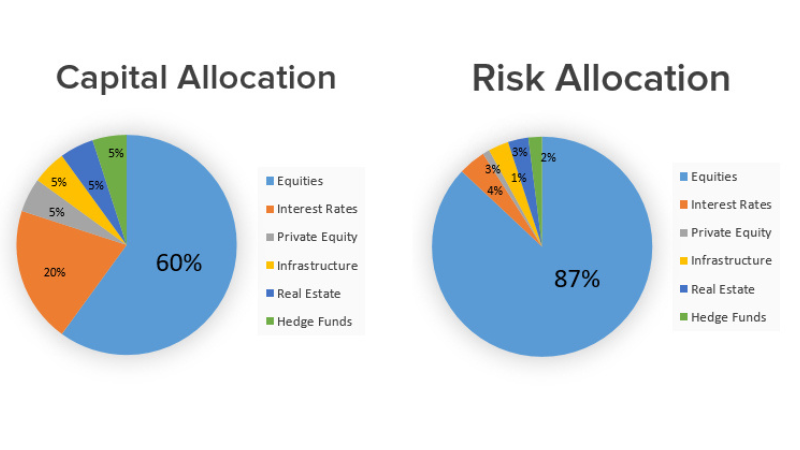
Position sizing is the backbone of professional risk management.
Professional traders:
- Risk only 1–2% of total capital per trade
- Reduce quantity during volatile sessions
- Never increase position size to recover losses
Example: If total capital is ₹100,000, the maximum risk per trade is ₹1,000–₹2,000, regardless of confidence level.
Rule 3: Professionals Trade Only Liquid Option Contracts
Liquidity reduces risk. Professional traders avoid illiquid option strikes because:
- Slippage increases losses
- Stop-loss execution becomes unreliable
- Bid-ask spread eats into profits
They prefer:
- Nifty and Bank Nifty options
- At-the-money (ATM) or slightly in-the-money (ITM) strikes
- Contracts with high open interest and volume
Rule 4: Stop-Loss Is Non-Negotiable
For professionals, stop-loss is a rule, not a suggestion.
Common stop-loss methods used:
- Fixed premium stop-loss
- Percentage-based stop-loss
- Technical level-based stop-loss
What professionals never do:
- Remove stop-loss
- Widen stop-loss after entry
- Hope for reversal
They accept small losses quickly to avoid big damage.
Rule 5: Professionals Avoid Overtrading
Overtrading is one of the biggest silent killers in intraday options trading.
Professional traders:
- Take only high-quality setups
- Trade 1–3 times per day
- Avoid trading out of boredom or frustration
They understand that not trading is also a position.
Rule 6: Daily Loss Limit Protects Capital
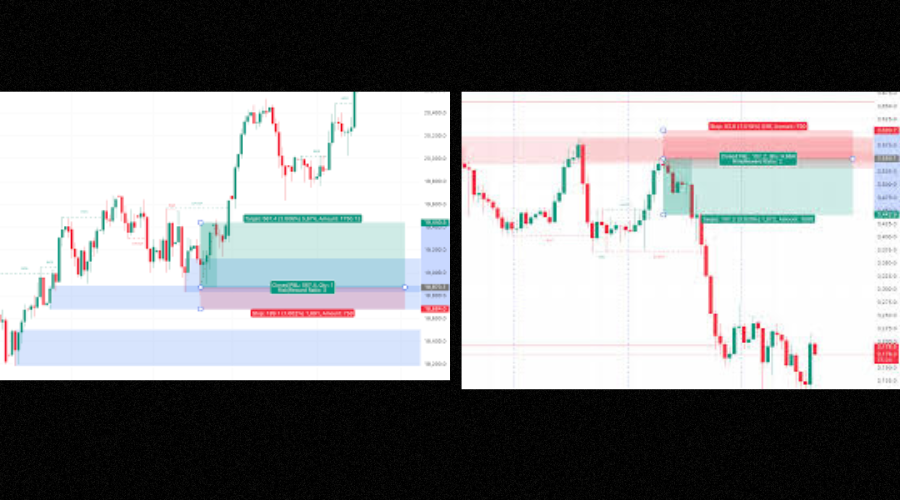
Professional traders set a daily loss limit. Once this limit is reached, they stop trading for the day.
Typical daily loss limits:
- 2–3% of total capital
- Or 2 consecutive losing trades
This rule prevents emotional revenge trading and protects long-term capital.
Rule 7: Professionals Choose the Right Trading Time
Not all market hours are suitable for intraday options trading.
Preferred trading windows:
- 9:20 AM – 10:30 AM
- 1:45 PM – 2:45 PM
Professionals avoid low-volume midday sessions where option premiums decay without meaningful movement
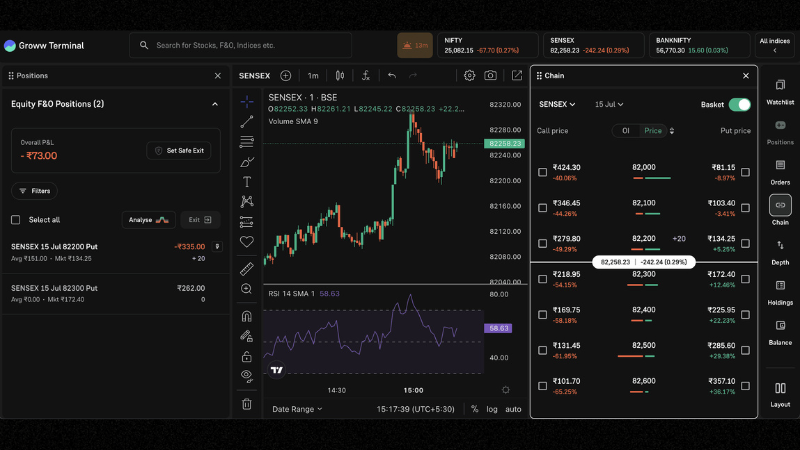
Rule 8: Risk Management Adapts to Market Conditions
Professional traders adjust their risk based on:
- Volatility levels
- Market structure (trending or range-bound)
- News events
During high volatility, they:
- Reduce position size
- Book profits faster
- Avoid aggressive option buying
Flexibility is a professional trait.
Rule 9: Emotional Control Is a Risk Tool
Professional traders treat trading like a business. They do not get emotionally attached to trades.
They follow rules such as
- No revenge trading
- No chasing missed trades
- No trading under stress
Emotional discipline is considered part of risk management.
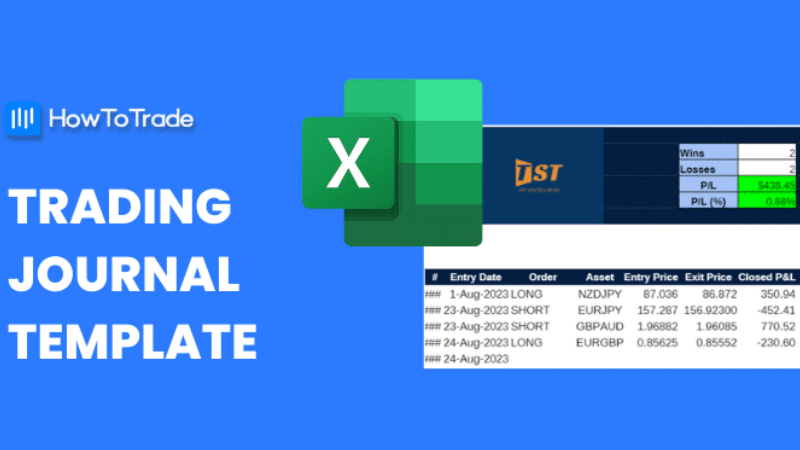
Rule 10: Professionals Maintain a Trading Journal
A trading journal helps professionals:
- Identify mistakes
- Improve strategy performance
- Maintain discipline
They record:
- Entry and exit reason
- Risk taken
- Emotional state
- Lessons learned
Improvement comes from review, not repetition.
Conclusion
Professional traders survive and succeed in intraday options trading not because they predict every move, but because they control risk relentlessly. By fixing risk before entry, using strict position sizing, respecting stop-loss rules, limiting trades, and maintaining emotional discipline, they protect their capital even during difficult market conditions.
If you want to trade like a professional, stop focusing only on profits. Start focusing on how much you can afford to lose on every trade. Risk management is not optional—it is the foundation of long-term success in intraday options trading.