Intraday trading looks attractive because it promises quick results, but for beginners, it often becomes a source of repeated losses and stress. The main reason is not lack of intelligence or luck—it is the absence of basic trading rules. Most beginners jump into intraday trading without understanding how the market works and without following a disciplined process.
Intraday trading is not about making money every day. It is about protecting capital, managing risk, and trading with patience. In this detailed guide, you will learn the basic rules of intraday trading for beginners so that you can avoid common mistakes and trade more safely.
What Is Intraday Trading?
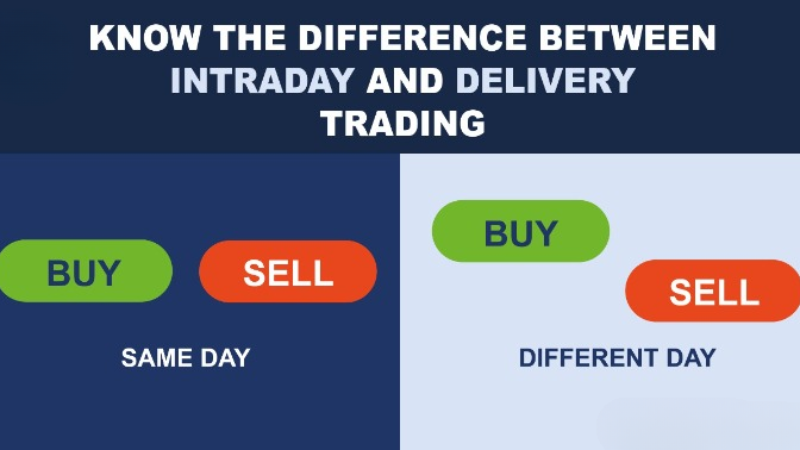
Buying and selling a stock, index, or derivative within the same trading day. No position is carried overnight. Traders aim to capture small price movements that happen during market hours.
Unlike long-term investing, intraday trading requires:
Quick decision-making
Strong emotional control
Strict risk management
Because the market moves fast, beginners must rely on rules, not emotions.
Why Beginners Lose Money in Intraday Trading
Before learning the rules, it is important to understand why most beginners lose money.
Common reasons include:
Trading without a plan
Not using stop-loss
Overtrading
Following tips and rumors
Trading with emotions like fear and greed
Intraday trading punishes mistakes quickly. Rules exist to protect you from these mistakes.
Rule 1: Trade Only Highly Liquid Stocks or Indices
Liquidity means how easily you can enter and exit a trade.
Best options for beginners:
NIFTY
BANK NIFTY
FINNIFTY
Large-cap stocks with high volume
Avoid:
Penny stocks
Illiquid stocks
Stocks with sudden spikes
Liquid instruments move smoothly and reduce the risk of sudden price manipulation.

Rule 2: Always Trade with a Clear Plan
Never enter a trade randomly. Every trade must have:
Entry price
Target price
Stop-loss
If you do not know where to exit and when the trade goes wrong, you should not enter the trade at all.
A trading plan brings clarity and removes emotional decision-making.
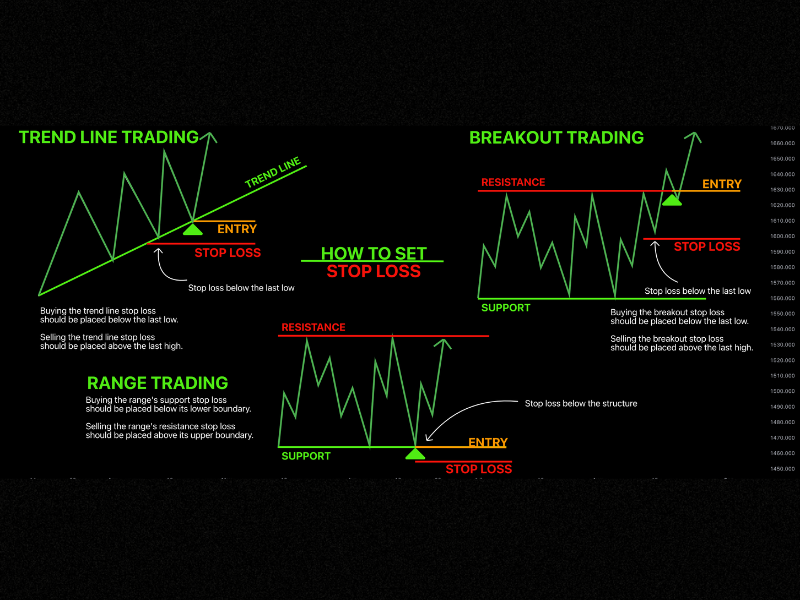
Rule 3: Stop-Loss Is Non-Negotiable
Stop-loss is the most important rule in intraday trading.
A stop-loss:
Limits your loss
Protects your capital
Keeps emotions under control
Beginners often avoid stop-loss, hoping the market will reverse. This habit turns small losses into big losses.
Remember: One uncontrolled loss can wipe out many small profits.
Rule 4: Risk Only a Small Portion of Your Capital
Never risk too much money on a single trade.
Simple risk rule for beginners:
Risk only 1%–2% of total capital per trade
For example, if your capital is ₹50,000, your maximum risk per trade should be ₹500–₹1,000.
This rule ensures survival even during losing streaks.
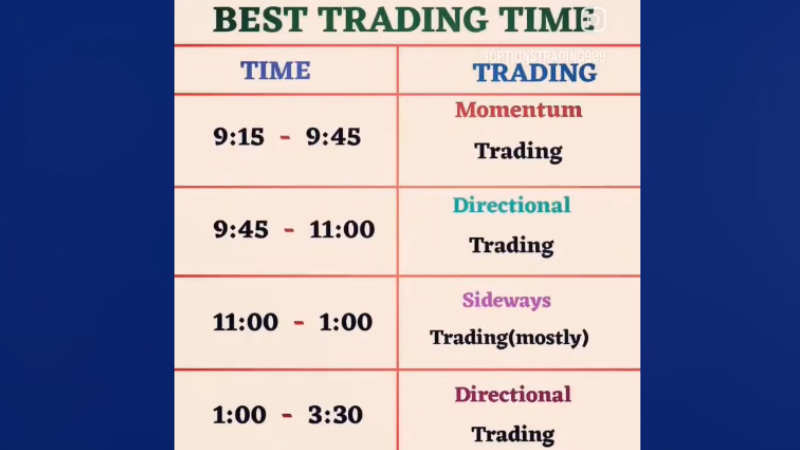
Rule 5: Choose the Right Market Timing
Intraday trading is not suitable at all times of the day.
Better time slots for beginners:
9:30 AM to 11:30 AM
1:45 PM to 2:45 PM
Avoid:
First 5 minutes after market opens
Last 15 minutes before market closes
During these times, volatility is high and unpredictable.
Rule 6: Trade with the Trend, Not Against It
The market trend increases the probability of success.
Simple trend logic:
Price above moving average → Uptrend
Price below moving average → Downtrend
Beginners should avoid counter-trend trading because it requires experience and fast execution.
Trading with the trend keeps things simple and logical.
Rule 7: Avoid Overtrading at All Costs
Overtrading is one of the biggest enemies of beginners.
Causes of overtrading:
Fear of missing out (FOMO)
Revenge trading after losses
Boredom
Simple solution:
Limit yourself to 2–3 quality trades per day
Quality trades matter more than quantity.
Rule 8: Do Not Depend on Tips and Rumors
Telegram, WhatsApp, and social media tips attract beginners, but they are extremely risky.
Professional traders rely on:
Charts
Price behavior
Volume
Well-tested strategies
If tips really worked, tip providers would trade silently instead of selling tips.
Rule 9: Control Your Emotions While Trading
Intraday trading triggers strong emotions such as
Fear after losses
Greed after profits
Panic during volatility
How to control emotions:
Follow rules strictly
Accept losses calmly
Avoid revenge trading
Take breaks after consecutive losses
Emotional control is a skill developed over time.

Rule 10: Maintain a Trading Journal
A trading journal helps you improve faster than any indicator.
Record:
Trade setup
Entry and exit
Profit or loss
Emotional state
Reviewing past trades helps you identify mistakes and strengths.
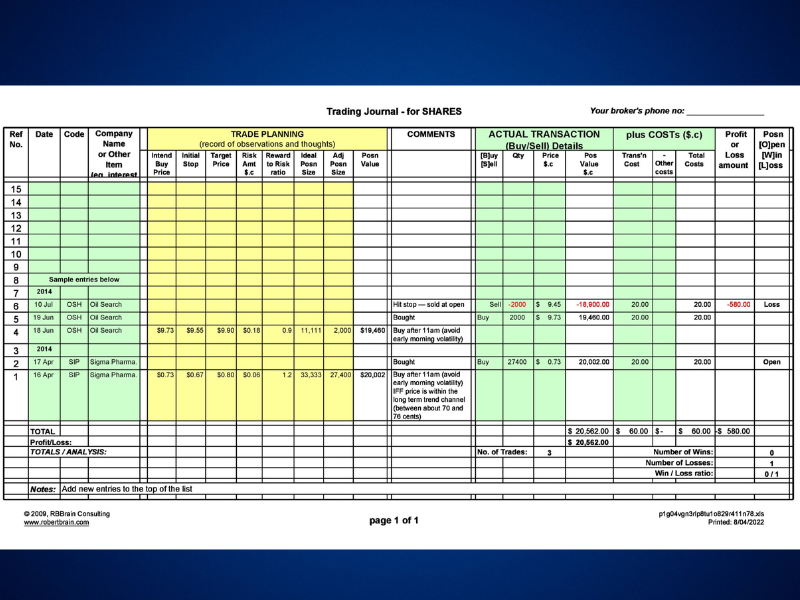
🖼️ Image placement: Image 6 – Sample Trading Journal Size: 800 × 600 px
Rule 11: Avoid Trading Every Day
Some days the market has:
No clear trend
High noise
Low opportunity
Forcing trades on such days leads to losses. Patience is a powerful edge in intraday trading.
Rule 12: Focus on Process, Not Daily Profit
Beginners often judge success by daily profit or loss. This creates pressure.
Instead, focus on:
Following your rules
Executing trades correctly
Managing risk
When the process is right, profits follow naturally over time.
Common Intraday Trading Mistakes Beginners Must Avoid
Trading without stop-loss
Increasing quantity after losses
Using multiple strategies together
Ignoring market trend
Expecting guaranteed profits
Avoiding mistakes is more important than finding a perfect strategy.
Is Intraday Trading Suitable for Beginners?
Yes, intraday trading can be suitable for beginners only if:
Rules are followed strictly
Risk is controlled
Expectations are realistic
Intraday trading becomes dangerous when treated as gambling.
Final Thoughts
Intraday trading success does not come from secret indicators or paid tips. It comes from discipline, patience, and rule-based execution. As a beginner, your first goal should always be capital protection, not fast profits.