Introduction
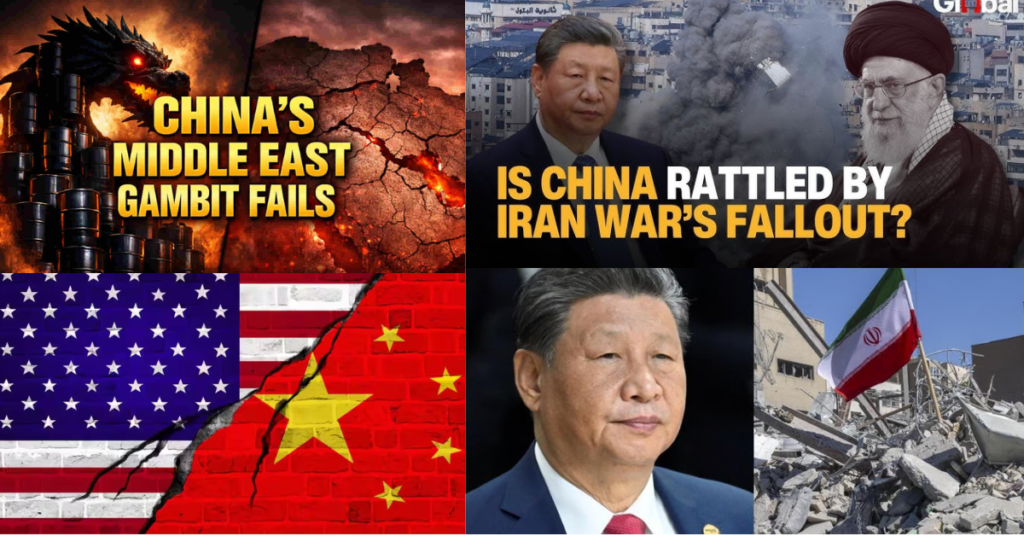
The ongoing conflict in Iran is raising new concerns about the stability of economic and trade relationships across the Middle East. Analysts say the situation could expose vulnerabilities in China’s long-standing strategy of prioritizing economic partnerships and infrastructure investments in the region. As tensions escalate, the possibility of disruptions to major energy supply routes is becoming a key worry for global markets and policymakers.
China has invested heavily in the Middle East through trade agreements, infrastructure projects, and energy partnerships. However, the growing instability caused by the conflict is forcing investors and governments to reassess the risks associated with the region.
Market Data
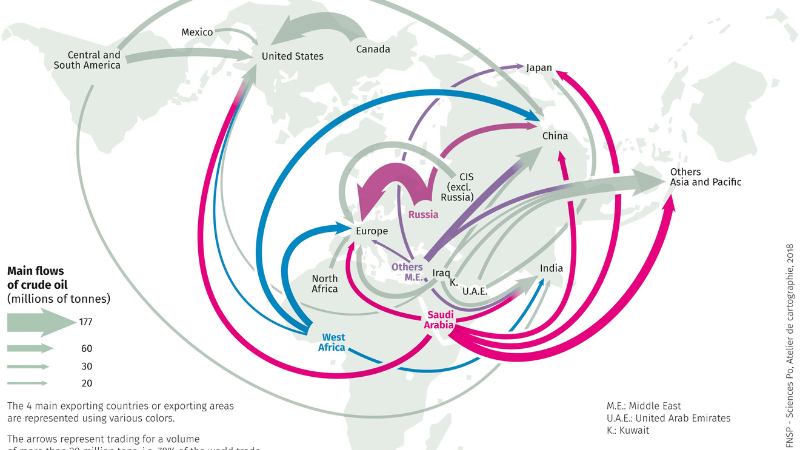
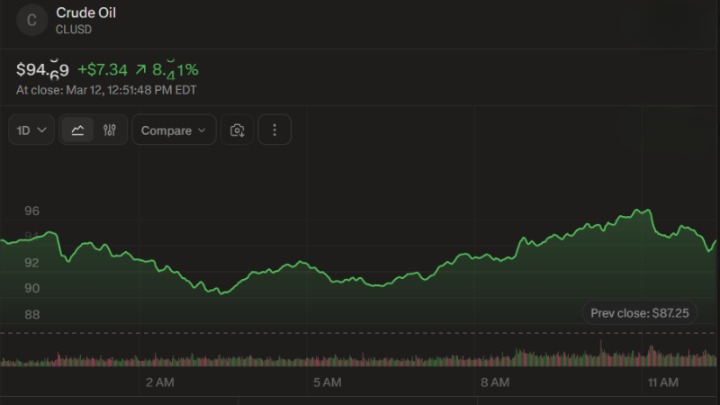
Energy markets reacted cautiously to the geopolitical developments. Since a large portion of global oil shipments pass through the Strait of Hormuz, any escalation in the conflict could disrupt supply chains and affect oil prices worldwide. China relies heavily on oil imports from the Middle East, making the situation particularly sensitive for its economy.
Market observers also note that geopolitical uncertainty tends to increase volatility in global financial markets, including commodities and equity indices.
Market Analysis
Experts believe the conflict highlights the risks of relying primarily on economic engagement without strong security alliances in politically sensitive regions. China’s strategy in the Middle East has largely focused on trade, investment, and infrastructure under initiatives such as the Belt and Road Initiative.
However, geopolitical instability could threaten supply chains, energy flows, and investment projects. If tensions continue to escalate, China may need to diversify its energy sources and strengthen diplomatic engagement to protect its economic interests.
Conclusion
The conflict in Iran is not only a regional security issue but also a major economic concern for global powers like China. With significant investments and energy dependencies tied to the Middle East, the situation underscores the importance of balancing economic ambitions with geopolitical risk management. As developments unfold, global markets and policymakers will continue to monitor the potential impact on trade routes, energy supplies, and regional stability.