Introduction
Trading is moving from manual decisions to intelligent systems. In 2026, almost every professional desk uses some form of algorithm or AI assistance. Retail traders who rely only on emotions and basic indicators are slowly losing their edge. The future belongs to traders who combine human experience with machine discipline.
This article explains in simple language how to build an algorithmic and AI-assisted trend trading system that can survive changing markets. You do not need to be a software engineer; you only need logical thinking and a structured approach.
1. What Is Algorithmic Trend Trading?
Algorithmic trading means:
- rules are defined in advance
- entries and exits are automatic
- emotions are removed
- performance is measurable
AI-assisted trading adds:
- pattern learning
- probability ranking
- adaptive parameters
- smart risk control
The goal is not a magic robot but a repeatable process.
2. Why Manual Trading Is Struggling
Human traders face:
- slow reaction time
- bias after losses
- inconsistency
- difficulty tracking many markets
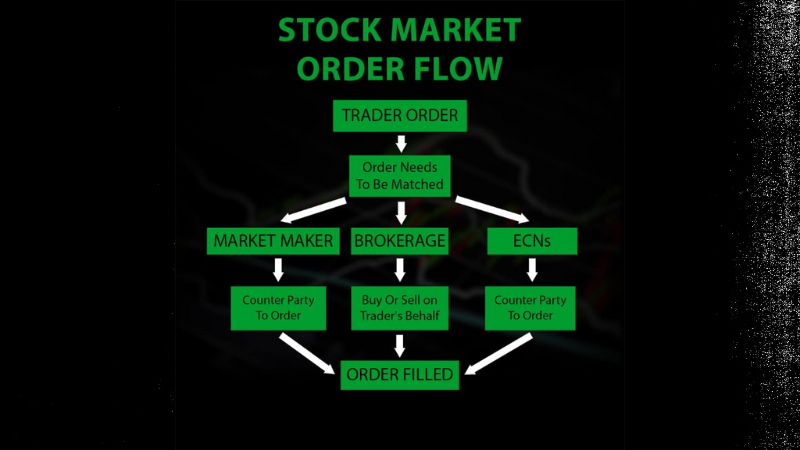
Algorithms can:
- watch 100 instruments
- execute in milliseconds
- follow rules perfectly
- backtest years of data
That is why hybrid trading is the future.
3. Core Components of a Future-Proof System
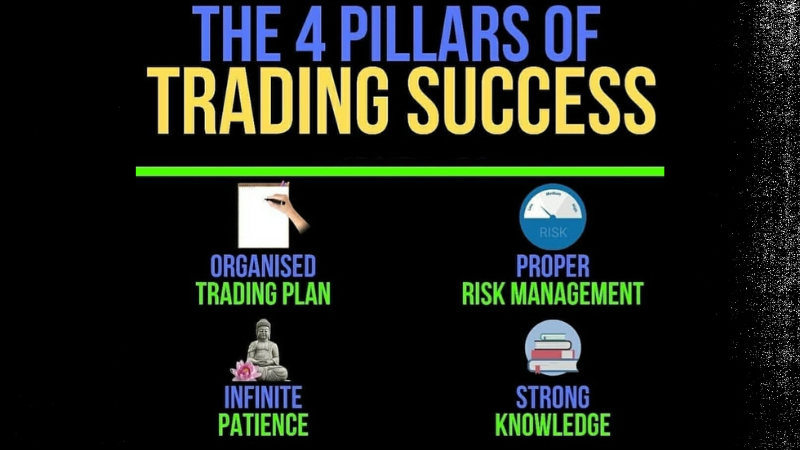
Every robust system has four pillars:
- Data – clean price and volume
- Strategy Logic—when to buy/sell
- Execution – broker connection
- Risk Engine – capital protection
If any pillar is weak, the system fails.
4. Building the Strategy Logic
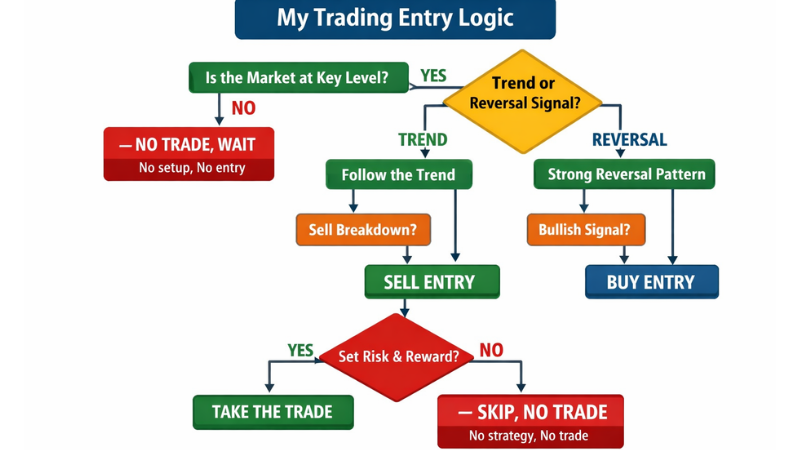
A simple AI-assisted trend model:
- identify market regime
- follow higher timeframe direction
- enter on pullback
- exit on momentum loss
AI helps to:
- rank best setups
- avoid choppy markets
- adjust targets dynamically
5. Data Preparation
Quality of data decides success.
You need:
- historical candles
- tick data if possible
- news calendar
- slippage estimate
Bad data = bad algorithm.
6. Entry Engine Example
Rules:
- Price above 50 EMA
- AI confidence > 65%
- Volume rising
- No major news
Execution:
- limit order at pullback
- Stop below the structure.
- target 1:2
7. Exit & Risk Engine
The risk module should control:
- position size
- max daily loss
- trailing stop
- correlation between trades
Never allow an algorithm to risk more than 1% per trade.
8. Paper Trading First
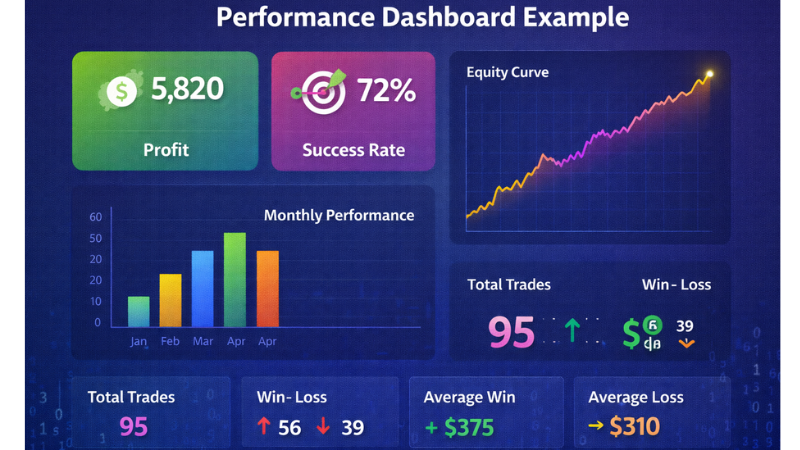
Run the bot on demo for:
- 30–60 days
- different sessions
- various pairs
Measure:
- win rate
- average R
- drawdown
- slippage
9. Human + Machine Model
Best approach:
Machine does
- scanning
- execution
- math
Humans do
- context
- big events
- final approval
This partnership beats pure automation.
10. Common Algorithmic Mistakes
- curve fitting past data
- ignoring transaction cost
- overtrading
- no kill switch
- chasing 100% automation
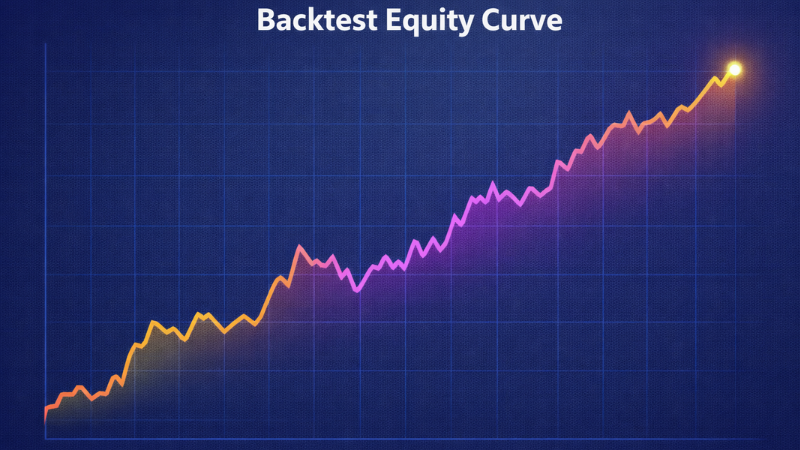
11. Backtesting the Right Way
- use out-of-sample data
- include spreads
- test worst periods
- Monte Carlo analysis
If a system survives bad years, it is real.
12. Choosing Markets
Best for algos:
- Nifty futures
- major forex pairs
- BTC/ETH
- liquid stocks
Avoid illiquid instruments.
13. Psychology Still Matters
Even with bots:
- traders interfere
- switch systems
- stop after drawdown
Discipline is still a human job.
14. Simple Tech Stack
You can start with:
- TradingView alerts
- Python + broker API
- Excel journal
- VPS server
No need for expensive platforms.
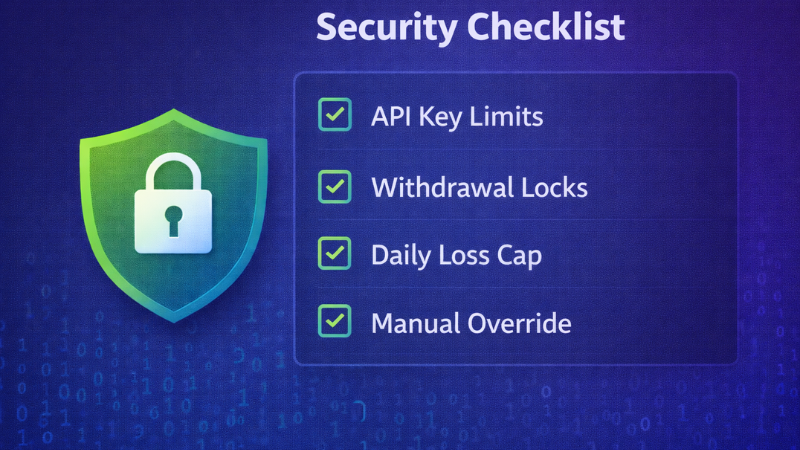
15. Security & Safety
- API key limits
- withdrawal locks
- daily loss cap
- manual override
Protect capital first.
16. Future Trends
By 2027:
- voice trading assistants
- AI risk managers
- sentiment from social media
- quantum indicators
Traders who adapt will win.
17. Roadmap for Beginners
- learn one manual strategy
- convert to rules
- automate alerts
- semi-auto execution
- full algo slowly
Do not jump directly to coding.
18. Realistic Expectations
A good system gives:
- 3–6% monthly
- controlled drawdown
- consistency
Not overnight riches.
Conclusion
Algorithmic and AI-assisted trend trading is not about replacing humans; it is about upgrading them. A future-proof trader is part analyst, part risk manager, and part technology user. Start small, test deeply, and let the machine handle discipline while you handle wisdom.