Introduction
Trading Nifty and Bank Nifty options during periods of high volatility can be both exciting and risky. Sudden price swings, sharp reversals, and emotional decision-making often lead traders to unexpected losses. Many beginners enter the options market expecting quick profits, but without proper risk control, volatility can wipe out capital very fast.
High volatility is not always bad. In fact, experienced traders wait for volatile conditions because option premiums expand and intraday opportunities increase. The key difference between losing traders and consistent traders is not prediction, but risk management, discipline, and strategy selection.
This article explains how to trade Nifty and Bank Nifty options safely during high volatility, using practical methods, position sizing rules, and mindset techniques suitable for Indian market conditions.

Understanding High Volatility in Options Trading
Volatility refers to the speed and magnitude of price movement. When volatility is high, Nifty and Bank Nifty can move 100–300 points within minutes, especially during events like:
- Global market reactions
- RBI policy announcements
- Inflation or GDP data
- Sudden institutional buying or selling
In options trading, high volatility leads to:
- Rapid premium expansion
- Faster time decay impact
- Sudden stop-loss hits
- Increased emotional pressure
Traders who fail to adapt their strategy to volatility usually overtrade or oversize positions.
Why Most Traders Lose During Volatile Markets
Before learning safe trading methods, it is important to understand common mistakes:
- Overtrading due to fear of missing out (FOMO)
- Buying far out-of-the-money options hoping for big moves
- Trading without a predefined stop-loss
- Increasing quantity after losses
- Ignoring India VIX levels
High volatility does not forgive emotional or impulsive trading.
Check India VIX Before Trading Options
India VIX is a volatility index that indicates expected market movement. Before trading Nifty or Bank Nifty options:
- Low VIX (below 12): Option buying is risky; premiums are cheap
- Moderate VIX (12–18): Balanced conditions
- High VIX (above 18): Option selling or quick scalping is safer
During high volatility, blindly buying options can lead to fast premium decay after sudden spikes.
Choose the Right Option Strategy for High Volatility
1. Prefer Intraday Scalping Over Big Targets
During volatile sessions, aim for small and quick profits instead of large moves. Scalping works best because
- Market reversals are frequent
- Holding trades too long increases risk
Target 10–30 points in Nifty options and 20–50 points in Bank Nifty options depending on premium value.
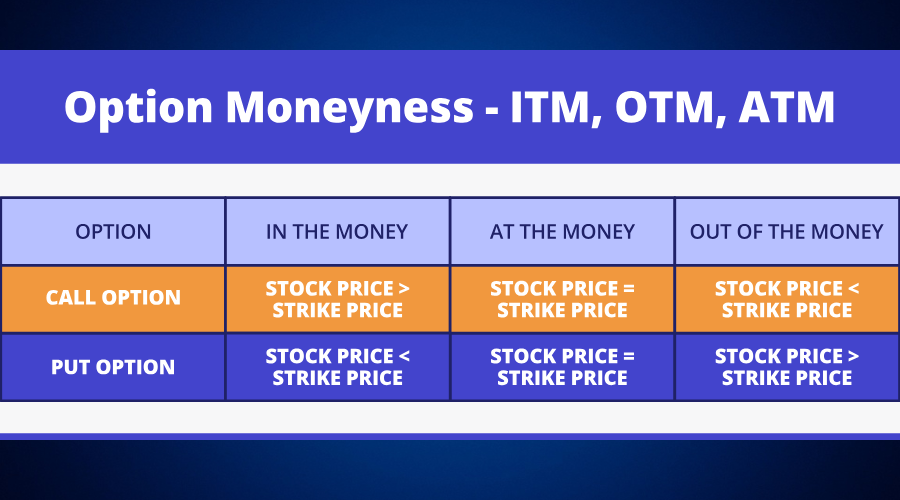
2. Avoid Deep Out-of-the-Money Option Buying
OTM options may look cheap, but in volatile markets they lose value quickly. Instead:
- Trade ATM or slightly ITM options
- These respond faster to price movement
- Better liquidity and lower slippage
Use Strict Stop-Loss Rules
Stop-loss is non-negotiable in volatile markets.
Recommended Stop-Loss Rules:
- Risk only 1–2% of total capital per trade
- Fixed-point stop-loss or premium-based stop-loss
- Never widen stop-loss after entry
Example: If your option premium is ₹200, keep a stop-loss of ₹20–30.
Reduce Quantity, Increase Discipline
Most losses happen because traders increase lot size to recover losses. During high volatility:
- Trade minimum lots
- Focus on accuracy, not quantity
- One good trade is enough for the day
Capital protection should be the first priority.
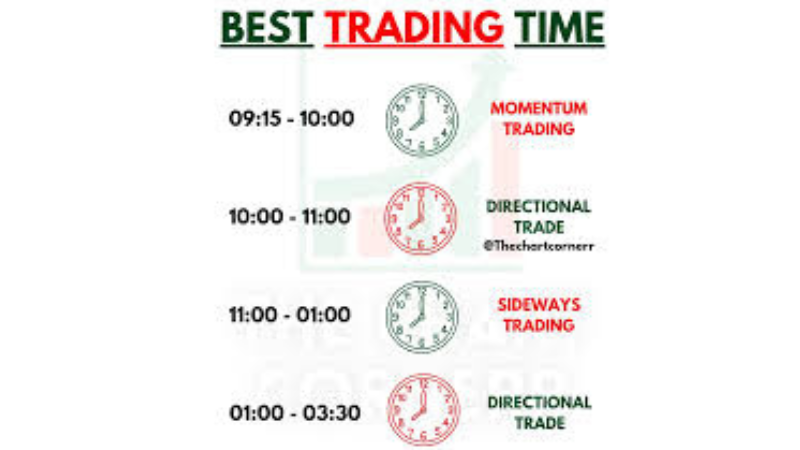
Best Time to Trade Nifty and Bank Nifty in Volatile Markets
Not all hours are suitable during volatile sessions.
Best Trading Windows:
- 9:20 AM – 10:30 AM: Clear opening range
- 1:45 PM – 2:45 PM: Trend continuation or reversal
- Avoid trading during:
- Sudden news events
- Mid-day low liquidity hours
Technical Tools That Work Best in High Volatility
Use fewer indicators to avoid confusion.
Effective Tools:
- VWAP
- Support and Resistance
- Price Action (Higher High, Lower Low)
- 9 EMA and 20 EMA
Avoid using too many indicators during volatile conditions.
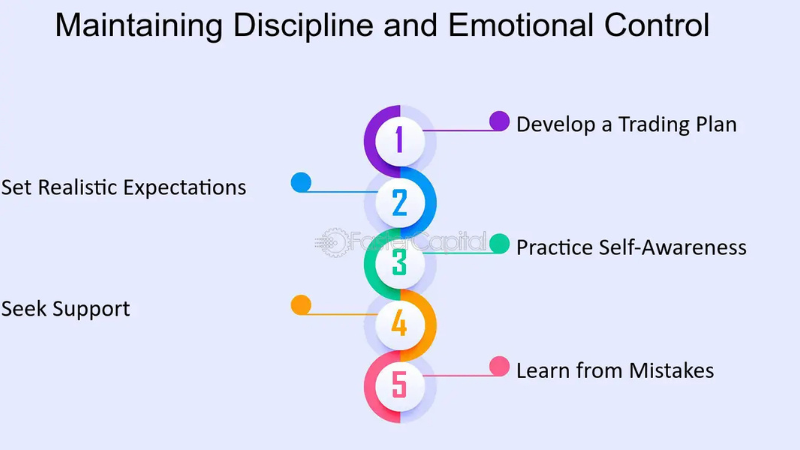
Importance of Trading Psychology in Volatile Markets
High volatility tests patience and emotional control.
Key psychological rules:
- Accept small losses quickly
- Do not revenge trade
- Stop trading after hitting daily loss limit
- Avoid social media tips during live market
- Discipline matters more than strategy.
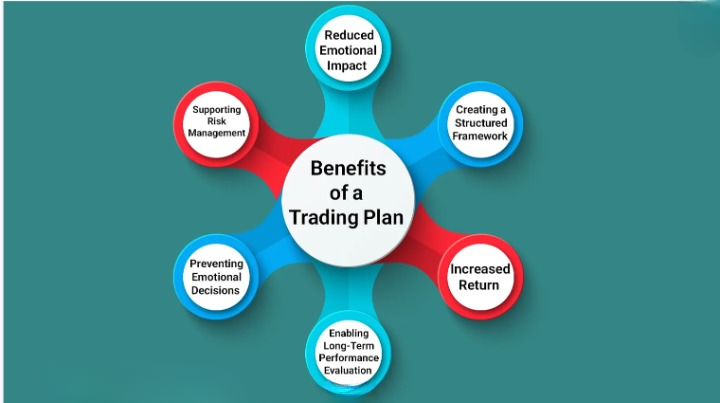
Daily Risk Management Plan
Create a simple daily plan:
- Fixed capital allocation
- Maximum 2–3 trades per day
- Predefined stop-loss and target
- Exit immediately after plan violation
Consistency comes from routine, not excitement.
Conclusion
Trading Nifty and Bank Nifty options safely during high volatility are possible when you focus on risk control, correct strategy selection, and emotional discipline. Volatility should be respected, not feared. By reducing quantity, choosing the right option, striking, following stop-loss rules, and trading only during optimal time windows, traders can survive and grow consistently.
Remember, the goal is not to make money every day but to protect capital and stay in the market long-term. Safe trading habits during volatile markets separate professionals from gamblers.